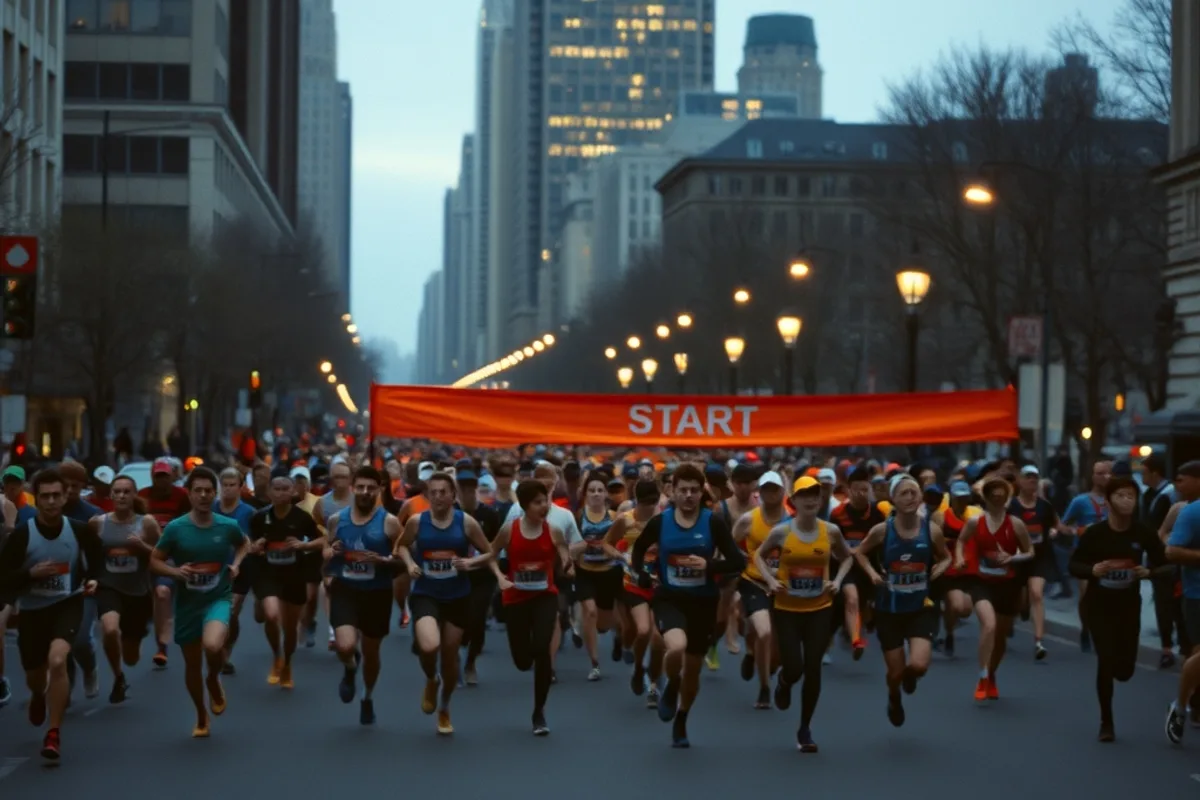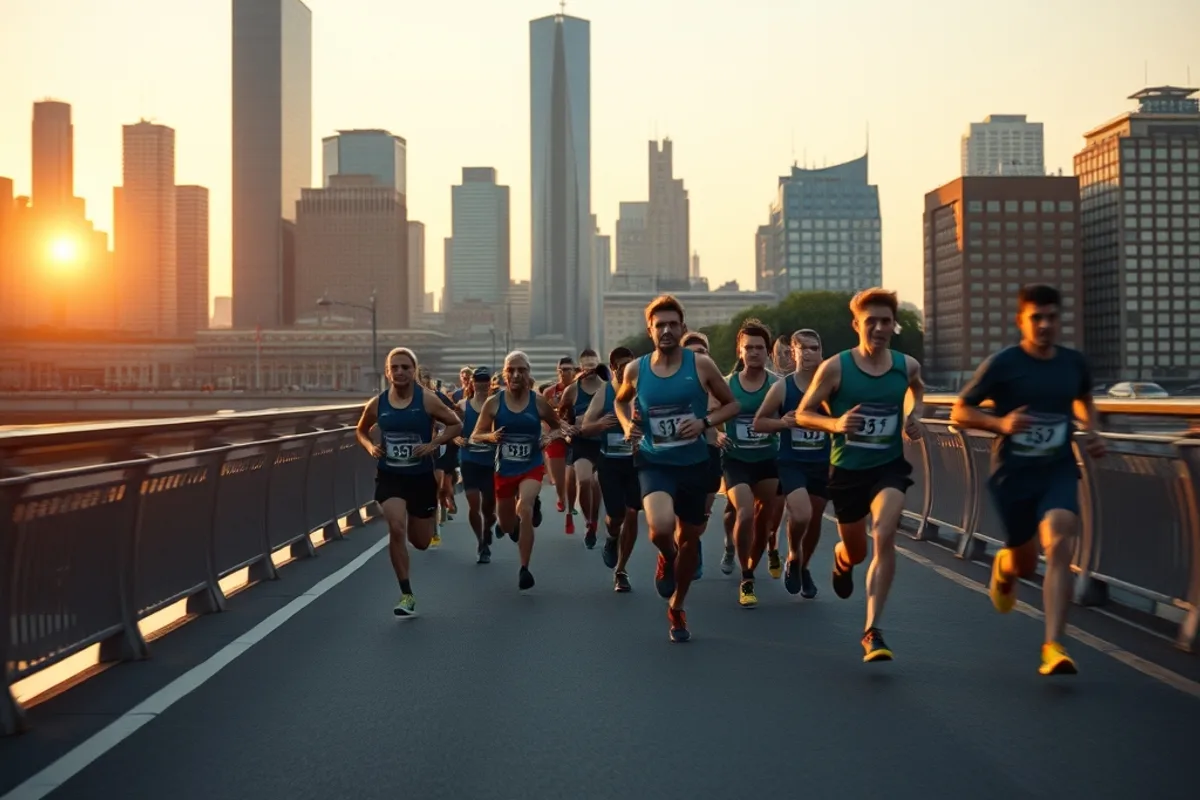
Marathon records do not fall evenly around the world. They cluster on a small number of courses, in a narrow window of the calendar, with a specific kind of support. That is not a coincidence, and it is not only about the athletes.
Course design, weather and pacing have always mattered. What has changed is how precisely they are engineered. The modern fast marathon is a production, and the record is the output.
The shape of a fast course
A fast marathon is flat, but flat is not enough. It needs gentle downhill sections that do not destroy the quads, few sharp turns, and wide roads that let a pack run smoothly. A course that drops 30 metres over the second half can help; a course that drops 30 metres in one steep kilometre can ruin a race.
Loop courses make pacing easier and allow spectators and cameras to see the leaders more often. Point-to-point courses can be faster if the wind is behind the runners, but they are harder to manage and less predictable.
Weather is the biggest variable
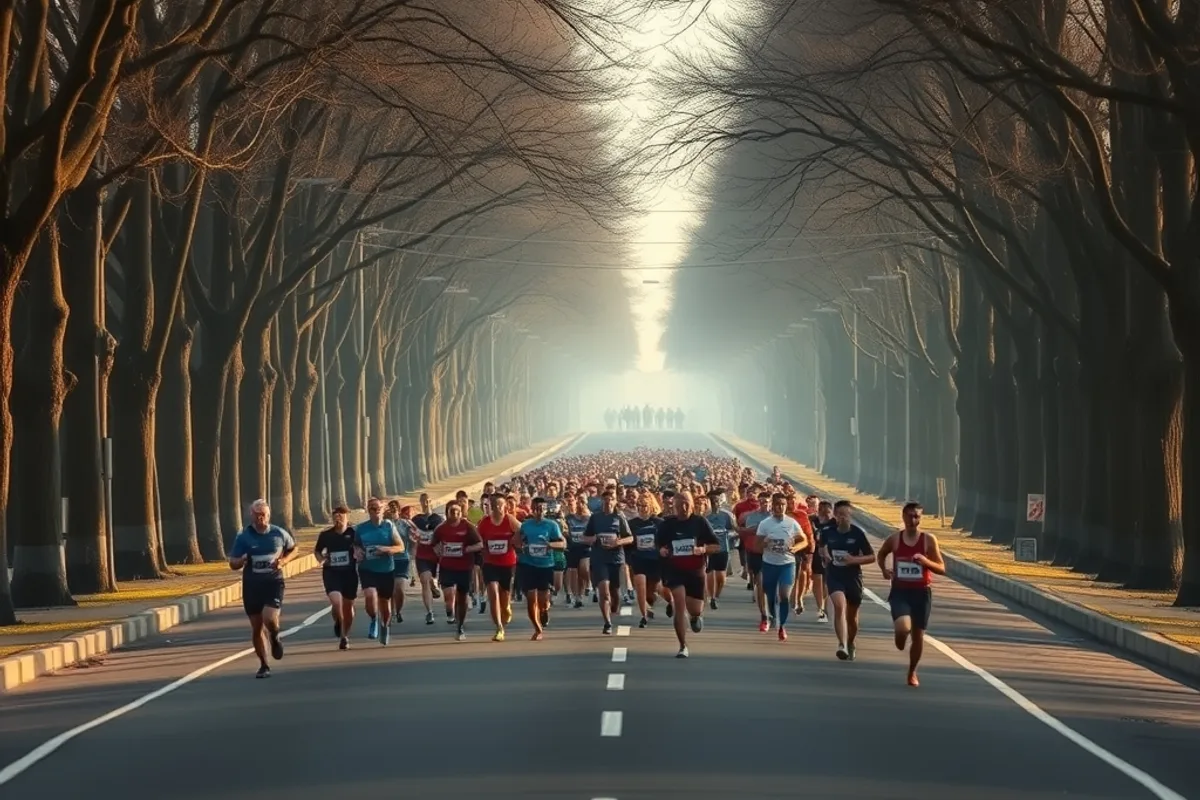
Elite marathon performance is sensitive to temperature. Most records are set in cool conditions, often between five and twelve degrees Celsius, with low humidity and little wind. A hot day can add minutes, no matter how fit the athlete is.
That is why autumn and early spring races dominate the record books. It is also why organisers start at dawn and choose courses that maximise shade and minimise exposed sections. The weather cannot be controlled, but the exposure can.
A record is a meeting between a body and a day. The course can only make the meeting more likely.
The pacemaker economy
Modern record attempts use pacemakers who run a predetermined split and then drop out. The lead group gets a shield from the wind, a precise rhythm and a psychological anchor. The practice is legal under current rules, and it has changed how records are approached.
Critics argue that it turns a race into a time trial. Supporters point out that every era has used some form of pacing, and that the record still has to be run by the athlete. The compromise is that major championships, where pacemakers are absent, remain a different test.
Technology and the shoe question
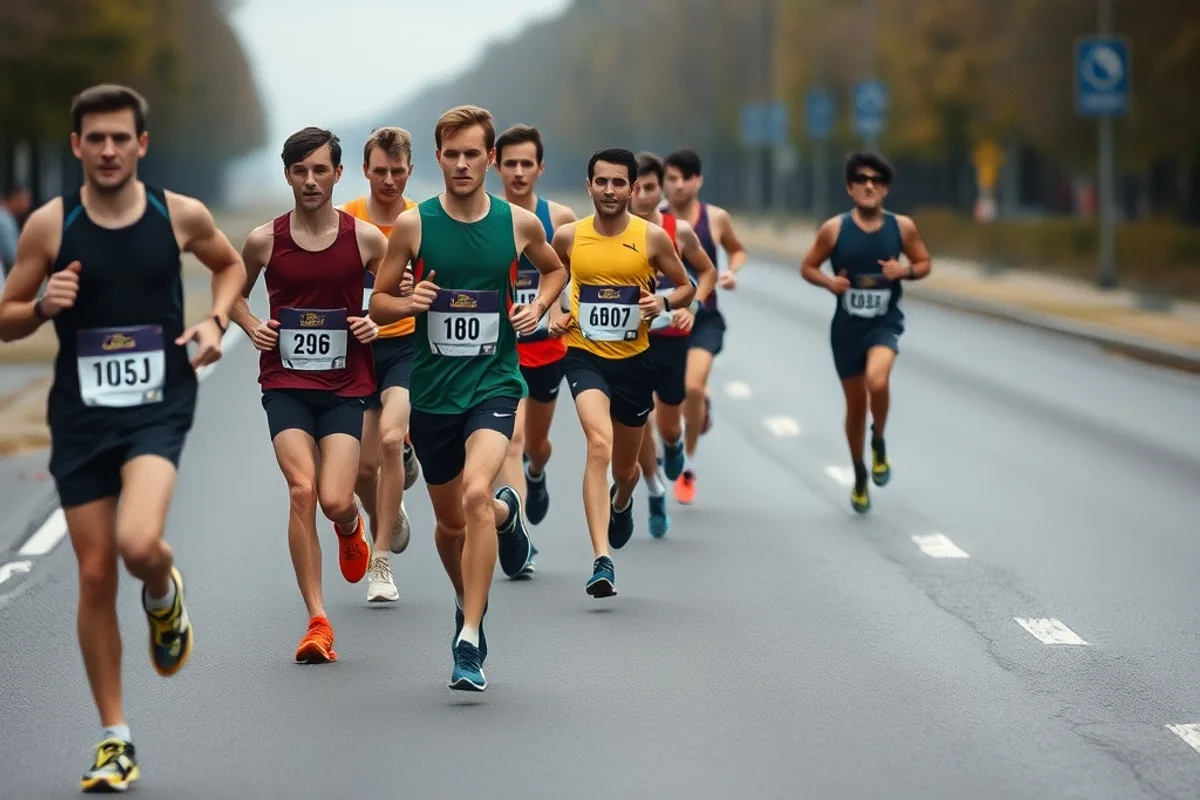
Carbon-plated shoes with responsive foam have changed road racing. The effect is real, though the size of the advantage is debated and varies by athlete. Governing bodies have introduced rules on stack height and plate design, but the technology continues to evolve.
The shoes interact with the course. A firm, smooth surface rewards a stiff plate; a rough or hilly course reduces the benefit. This is one reason fast times cluster on a few well-maintained city routes.
Why some courses are slower
A course can be scenic and still be slow. Cobbles, sharp turns, narrow sections and bridges with metal expansion joints disrupt rhythm. A climb at 35 kilometres is strategically brutal, even if the total elevation gain is modest.
Heat islands matter too. A city centre can be several degrees warmer than the outskirts, and a course that loops through dense streets may be hotter than the forecast suggests. Organisers now measure surface temperature, not just air temperature.
Key facts
- Most marathon records are set in cool, low-wind conditions.
- Gentle downhills help; steep drops damage the legs.
- Pacemakers reduce wind resistance and stabilise rhythm.
- Carbon-plated shoes interact with course surface and gradient.
- Course heat islands can be warmer than the official forecast.
What it means for amateur runners
If you are chasing a personal best, choose a fast course and a cool date. Check the elevation profile, the number of turns and the start time. A flat course with a crowded start can be slower than a rolling course with an open road.
Do not chase a record time on a hot day. The body does not care about the occasion. It cares about heat, hydration and pacing, in that order.
The bottom line
Marathon courses are getting faster because organisers have learned to remove friction: gentle gradients, wide turns, cool starts and controlled pacing. The athlete still does the work, but the course decides how much of that work is spent fighting the environment. The record is a collaboration between a runner and a route.
For another story about the numbers behind sport, read how data is reshaping women's football.