Cement is responsible for a stubborn share of global emissions, and it is not going away. The interesting question is not whether concrete can store carbon. It is whether the amount stored is large enough to matter, and whether anyone can prove it.
Several routes are being tried. Some inject carbon dioxide into fresh concrete while it cures. Others use minerals that absorb carbon as they harden, or store carbon in the aggregate. Each route has a different energy cost and a different measurement problem.
Three routes, three sets of trade-offs
The first route is carbon curing. Fresh concrete is placed in a chamber and exposed to carbon dioxide, which reacts with calcium compounds and forms stable minerals. The process can improve early strength and divert CO2 from a waste stream. It is also limited by how much gas the concrete can absorb, which is typically a small fraction of the cement's own emissions.
The second route replaces part of the cement with reactive minerals that carbonate as they cure. This can reduce the emissions associated with cement production, and the carbonation adds a storage benefit. The catch is that the material must still meet engineering specifications for strength, durability and workability.
The third route stores carbon in lightweight aggregates, often made from industrial waste. The aggregate can carry more carbon than curing alone, but producing it requires energy, and the final concrete may be restricted to non-structural uses.
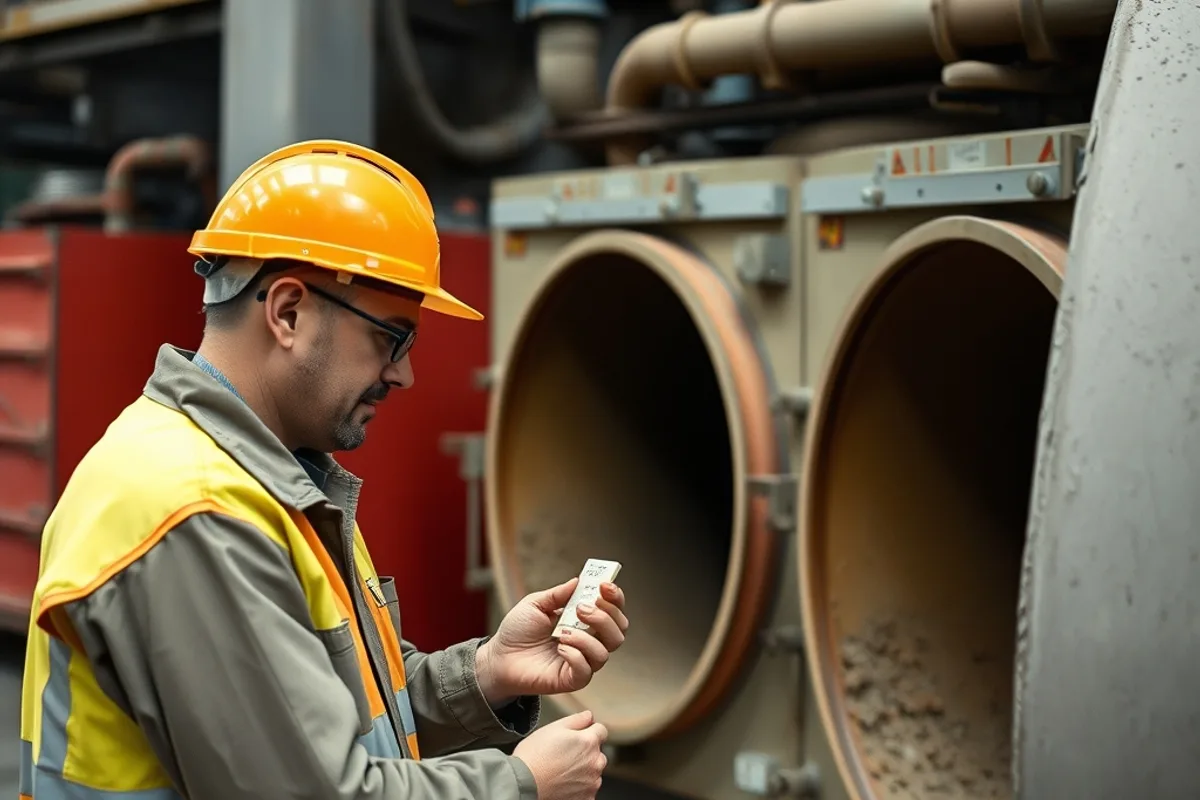
The accounting is the hard part
A carbon claim depends on a baseline. If a plant already captures CO2 from its kiln, and that gas is injected into concrete, the storage is real only if the gas would otherwise have been released. If the CO2 comes from a nearby ethanol plant, the accounting is different again.
Verification adds another layer. The carbon must stay in the material for a meaningful period, and the concrete must not be crushed and re-emitted at the end of its life. Standards for measuring and certifying storage are still being written, which means two projects can report similar numbers using incompatible methods.
A carbon claim is only as good as its baseline. Change the baseline and the same block of concrete can look like a sink or a rounding error.
Scale, and why it is smaller than it sounds
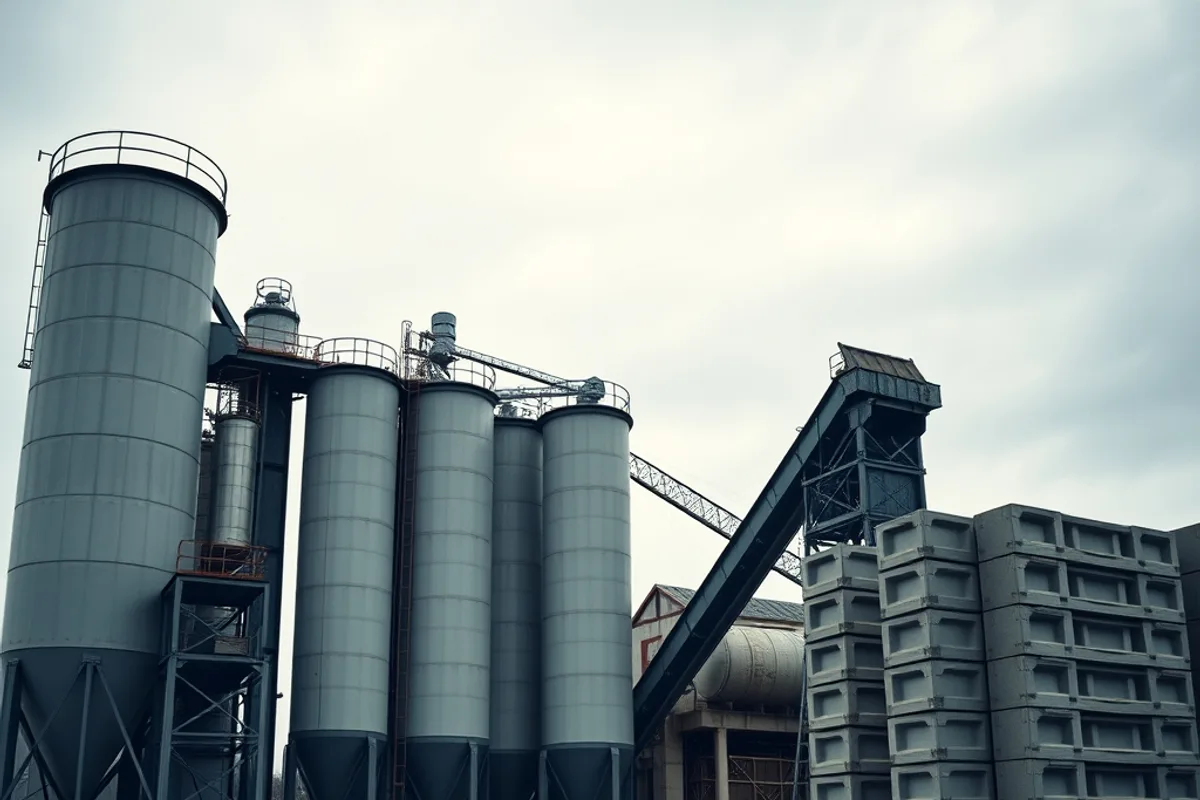
The global concrete industry is vast, but the share of that volume that can absorb carbon through curing is modest. A pilot plant that stores a few hundred tonnes a year is a useful proof of concept and a negligible climate intervention. Reaching megatonne scale requires retrofitting thousands of plants and building a supply chain for gas that does not currently exist.
That does not make the work pointless. Cement emissions are so large that even partial reductions matter, and the technology can improve local air quality when it captures gas from a nearby source. But it should be sold as one tool among many, not as a way to make concrete carbon-neutral.
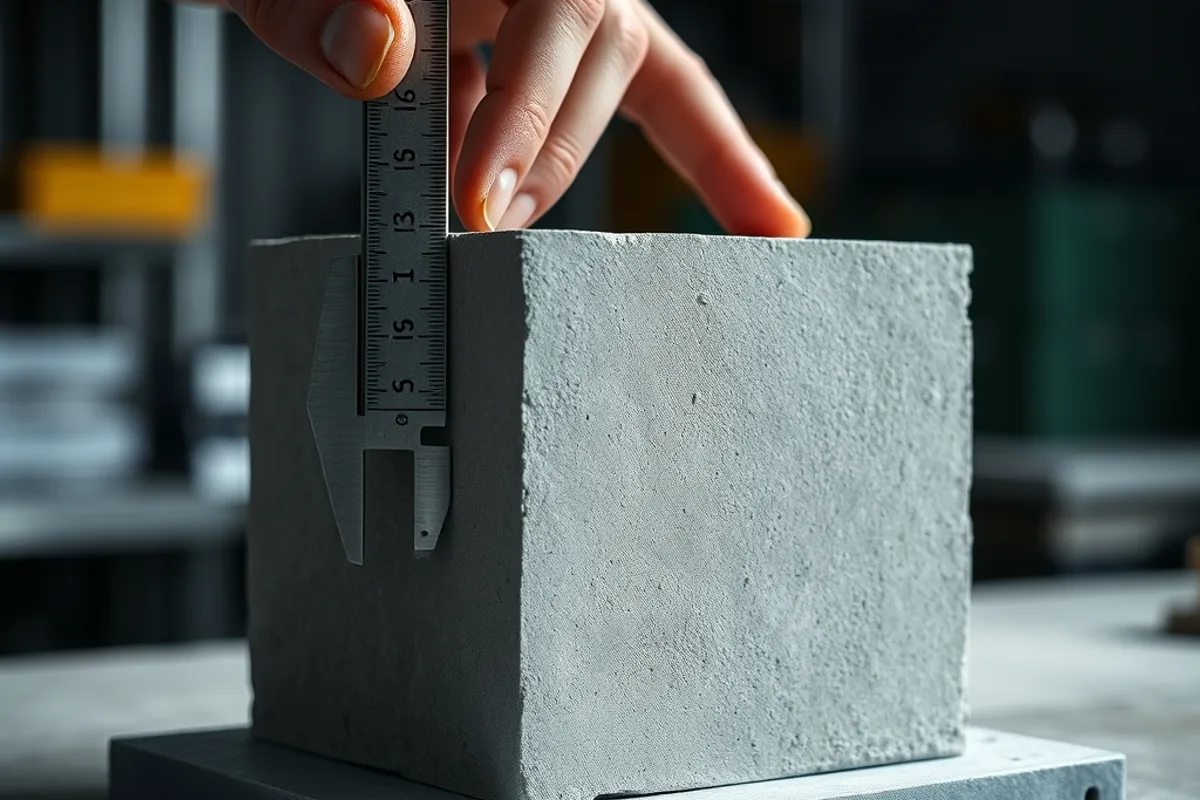
Where the pilots are working
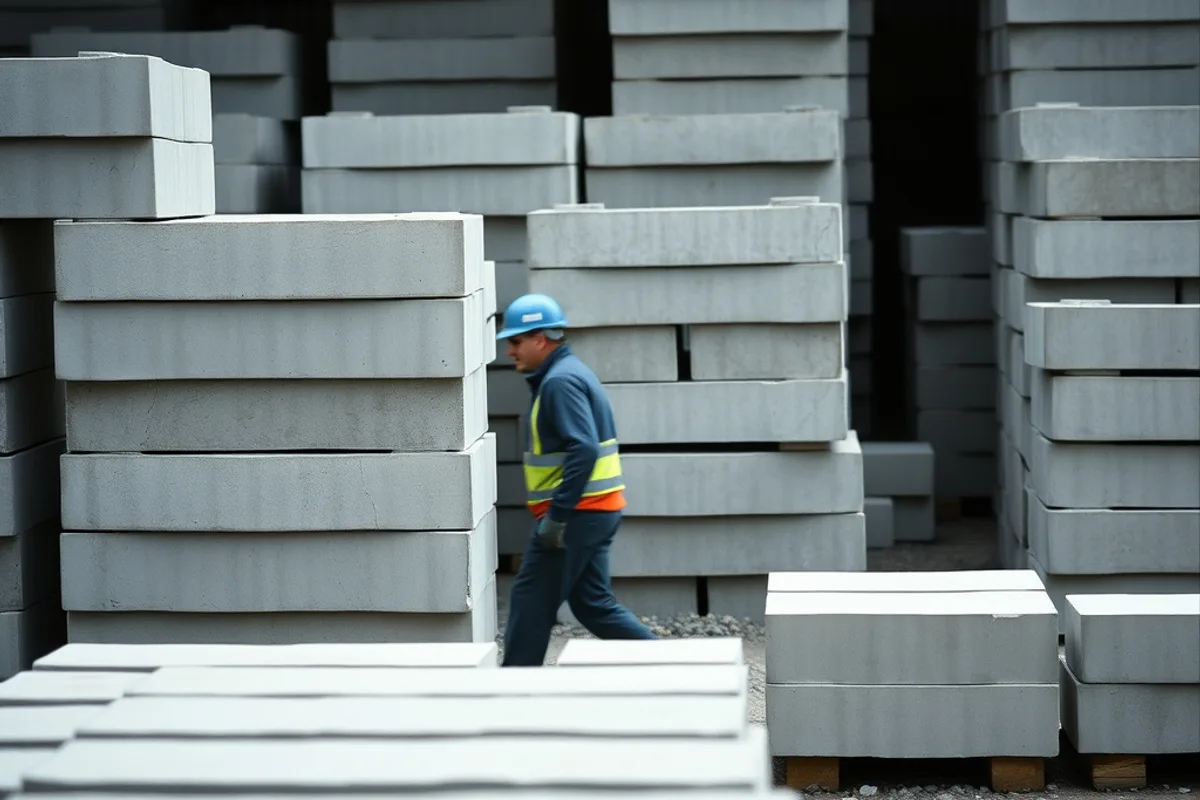
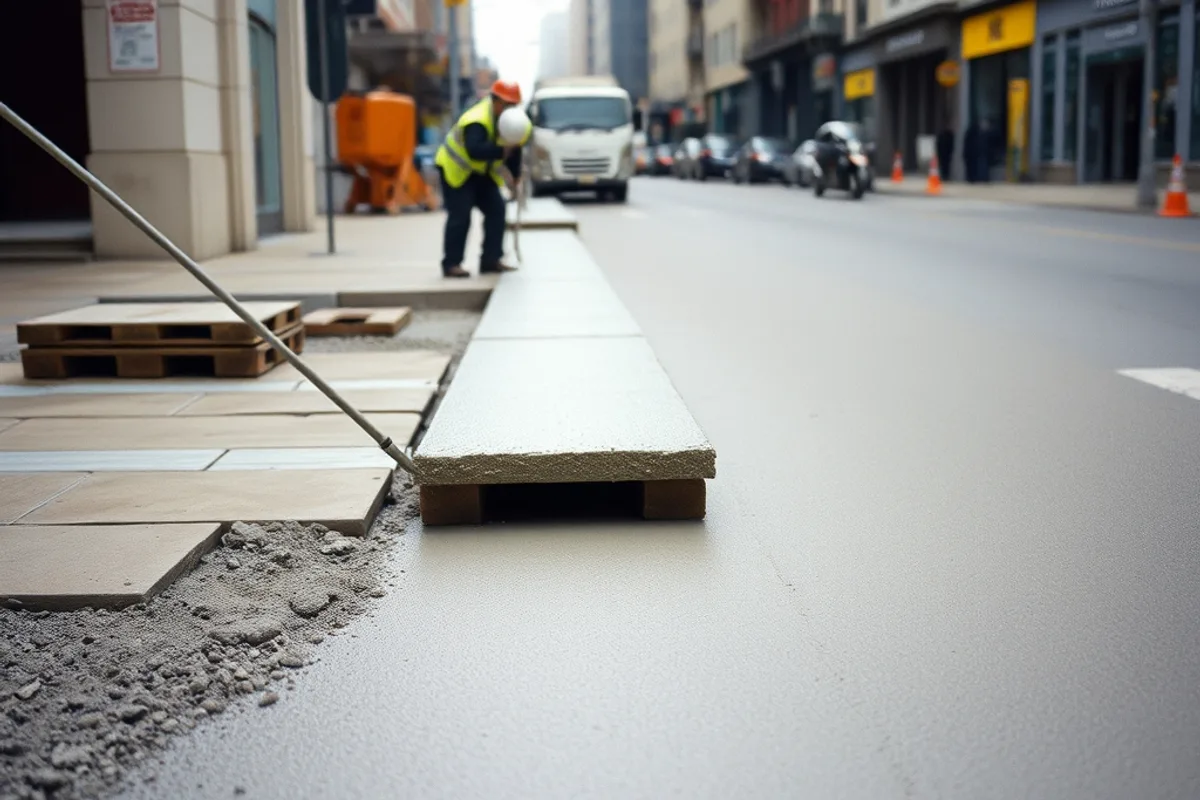
The most convincing projects are small, local and tied to a specific customer. A precast manufacturer that can use a carbon-cured block in a non-structural application has a clear product and a measurable process. A city that specifies low-carbon concrete for pavements can create demand without pretending the material solves the whole problem.
Large infrastructure projects are harder. They carry long design lives, strict standards and conservative engineers, all of which are reasonable. A new mix has to prove itself over years, not a single demo pour.
Key facts
- Carbon curing stores a small fraction of cement's own emissions.
- Mineral replacements can cut cement use but must meet strength standards.
- Baseline choice changes the size of the claimed saving.
- Verification standards are still maturing.
- Precast and non-structural uses are the most credible early markets.
How to read a concrete carbon claim
Ask where the CO2 came from, what would have happened to it otherwise, and how long the storage is expected to last. Ask whether the mix has been tested to the relevant standard and whether the project publishes its full life-cycle numbers. If the answer is a logo and a percentage, keep asking.
The bottom line
Concrete can store carbon, and some of the methods are genuinely useful. The scale is smaller than the headlines suggest, the accounting is harder than the chemistry, and the best projects are boringly local. That is not a reason to ignore the field. It is a reason to judge it by tonnes verified rather than promises announced.
For the reef side of the same climate ledger, read whether lab-grown coral can scale.