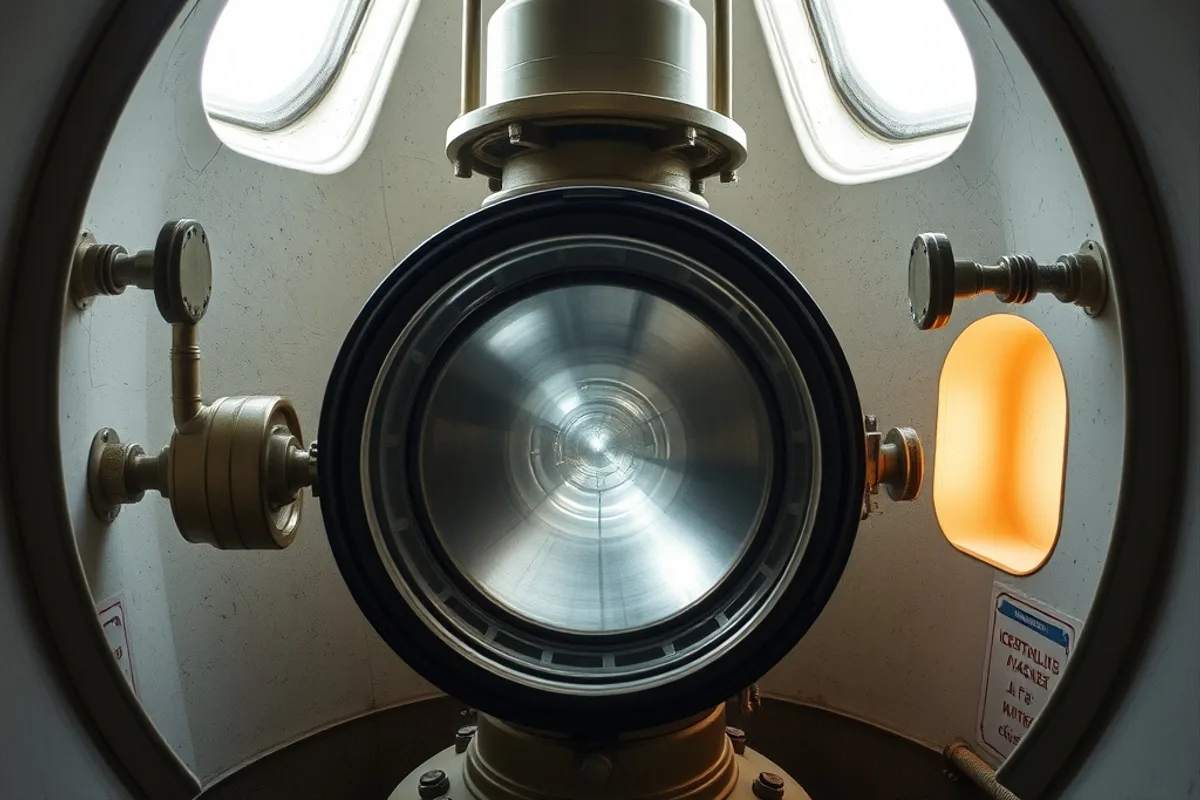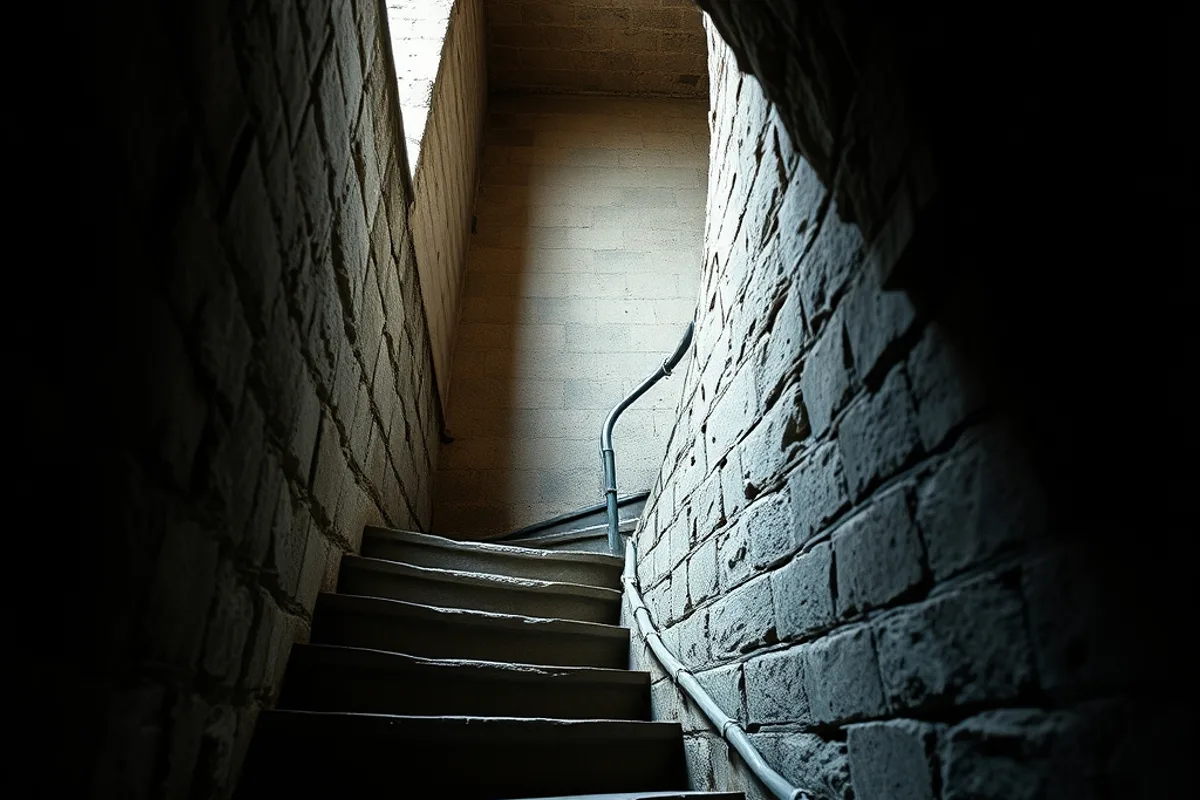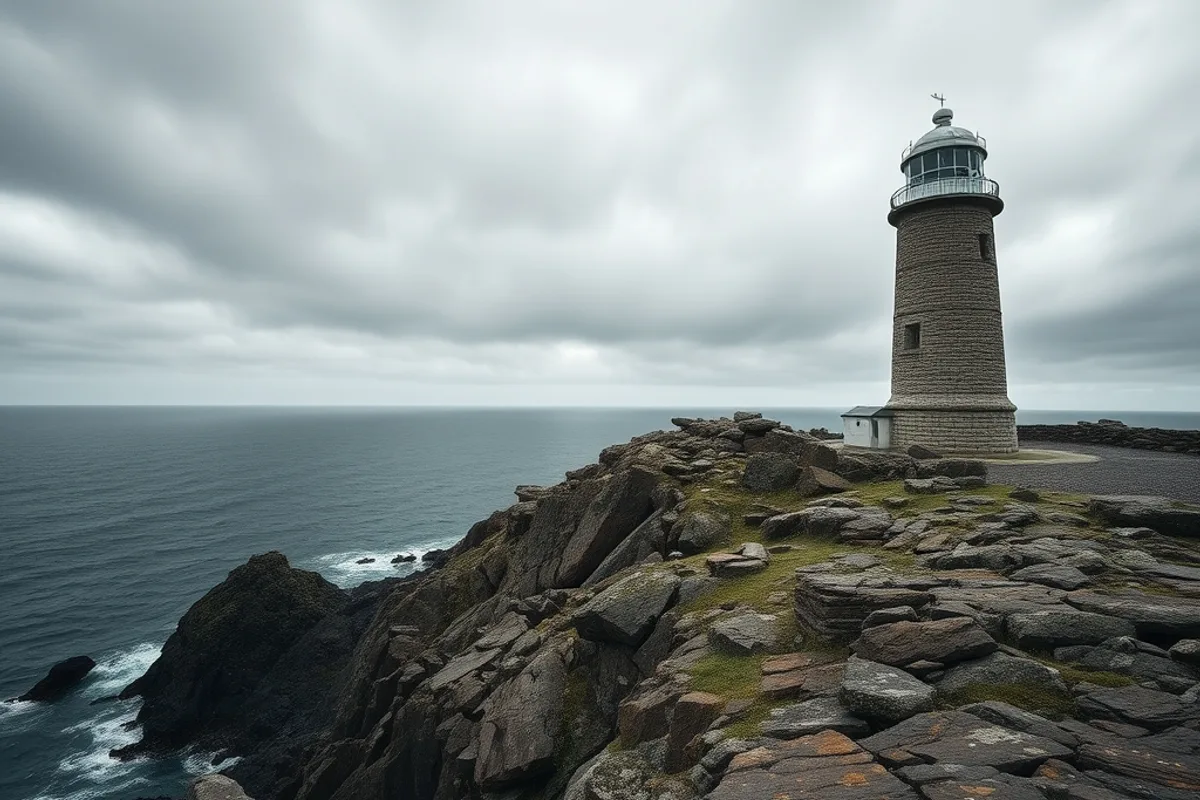
On 26 December 1900, a relief boat reached the lighthouse on Eilean Mor and found the lamp unlit, the door unlocked and no one home. Three men had vanished from an island with no trees, no shelter and no easy landing.
The story has attracted sea monsters, abductions and supernatural explanations. The archive is quieter. It describes a violent storm, a routine that broke down and a set of clues that have been argued over for more than a century.
What the record actually says
The lighthouse was staffed by three men: James Ducat, the principal keeper; Thomas Marshall, his assistant; and Donald McArthur, a temporary keeper. A fourth keeper, Joseph Moore, had left the island earlier and returned with the relief party.
The relief vessel was delayed by weather. When Moore landed, he found the flagstaff broken, a box of ropes washed away, and damage high on the rock that suggested a wave had struck well above the usual watermark. Inside, the lamp was cleaned but unlit, and the kitchen showed signs of an interrupted meal.
The official report noted that the west landing had been damaged, that a rail was bent and that a rope was found in a place it should not have been. The keepers' oilskins were missing. One set of boots was absent. The men had not left a log entry for the days before their disappearance.
The storm explanation
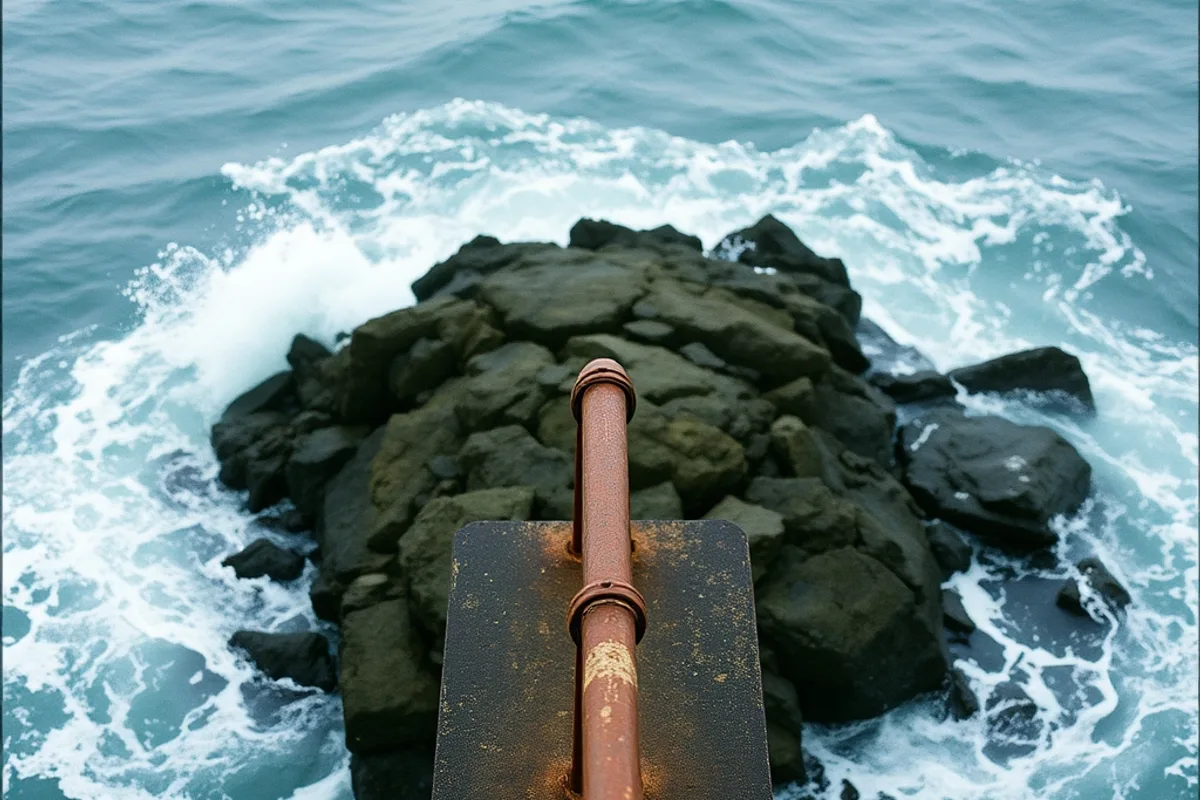
The most widely accepted explanation is a freak wave. The west landing was the lowest and most exposed point, and the damage there was consistent with a heavy sea. If the men were working to secure equipment during a storm, a single wave could have swept them into the water.
This explanation accounts for the missing oilskins and the damaged rail. It also explains why no bodies were found: the current around the Flannan Isles is strong, and the sea would not return them.
The problem is timing. The official log suggested the men had been missing for several days before the relief arrived, and the weather during that period was not uniformly severe. A single wave is plausible, but the sequence of events is less tidy than the popular version.
The mystery is not that three men died in a storm. It is that the ordinary records of the lighthouse do not quite agree on when the storm began.
The dispute over the log
Much of the legend comes from a version of the log that describes the keepers weeping, praying and asking for God's mercy. That version is dramatic and widely quoted. It is also disputed. The surviving official records do not contain those entries, and some historians believe the dramatic text was added later or came from a different source.
Without a reliable log, the timeline is reconstructed from weather reports, the relief boat's movements and the physical damage. Each source has gaps. The result is a story that can support several readings, which is exactly what a mystery needs.

The other theories
Some writers have proposed that one keeper became ill or violent, and the others went for help. That explanation struggles with the missing oilskins and the absence of any message. Another theory suggests the men went to the landing to secure a supply crate and were caught by a wave together. This is close to the storm explanation and is supported by the damage pattern.
The more exotic theories, involving ghosts, sea creatures or foreign agents, have no documentary support. They persist because the island is remote and the disappearance is clean. A story with no bodies and no witnesses invites invention.
Why the story lasts
Eilean Mor endures because it sits at the edge of the modern record. The lighthouse was a technological outpost, staffed by men whose job was to keep a light burning for others. Their disappearance is a reminder that the sea does not care about schedules.
It is also a story about isolation. Three people on a rock, cut off for weeks, with a routine that depended on everything working. When one thing failed, the others followed.
Key facts
- Three keepers disappeared from Eilean Mor in December 1900.
- The lamp was unlit and the west landing was damaged.
- Oilskins and one set of boots were missing.
- The dramatic "weeping" log is disputed by historians.
- A freak wave remains the most credible explanation.
What we can say with confidence
The men were almost certainly lost at sea. The damage to the landing and the missing protective clothing point to an accident during heavy weather. The exact moment, and the reason all three were at the landing together, cannot be recovered from the surviving evidence.
The bottom line
Eilean Mor is not a ghost story. It is a workplace accident in one of the most exposed places in Britain, recorded imperfectly and retold for effect. The honest version is sadder and more interesting than the myth: three men did their job, the sea took them, and the paperwork never caught up.
For another ancient puzzle that resists a neat answer, read what the Antikythera Mechanism still cannot tell us.