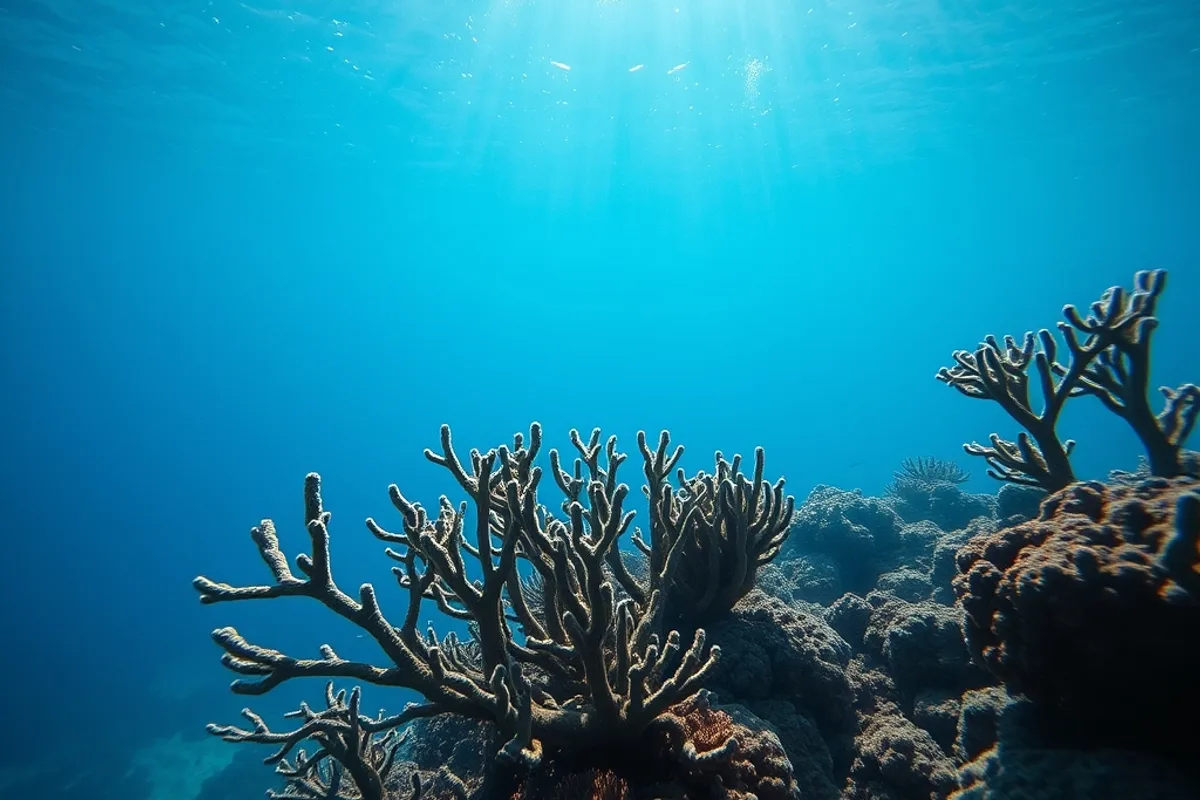
A coral nursery looks like an optimistic place. Rows of fragments hang from frames in clean water, each one a small bet that a damaged reef can be rebuilt. The science has improved enormously. The arithmetic is still brutal.
Restoration teams across the tropics now raise corals from small fragments, grow them in tanks or sea nurseries, and plant them back onto degraded reef. The method works. The question that decides whether it matters is whether it works at the scale of a reef, at a cost a government or foundation will actually fund, and in water that is getting warmer every year.
How coral farming works
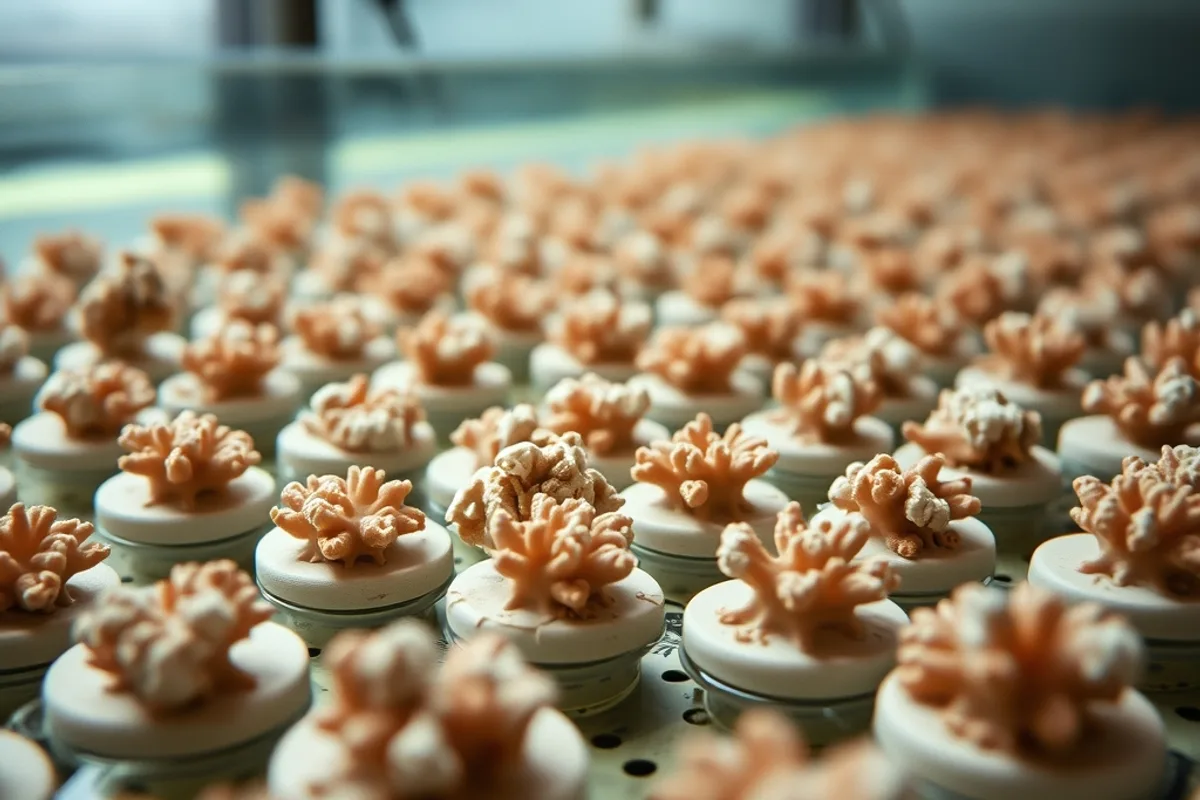
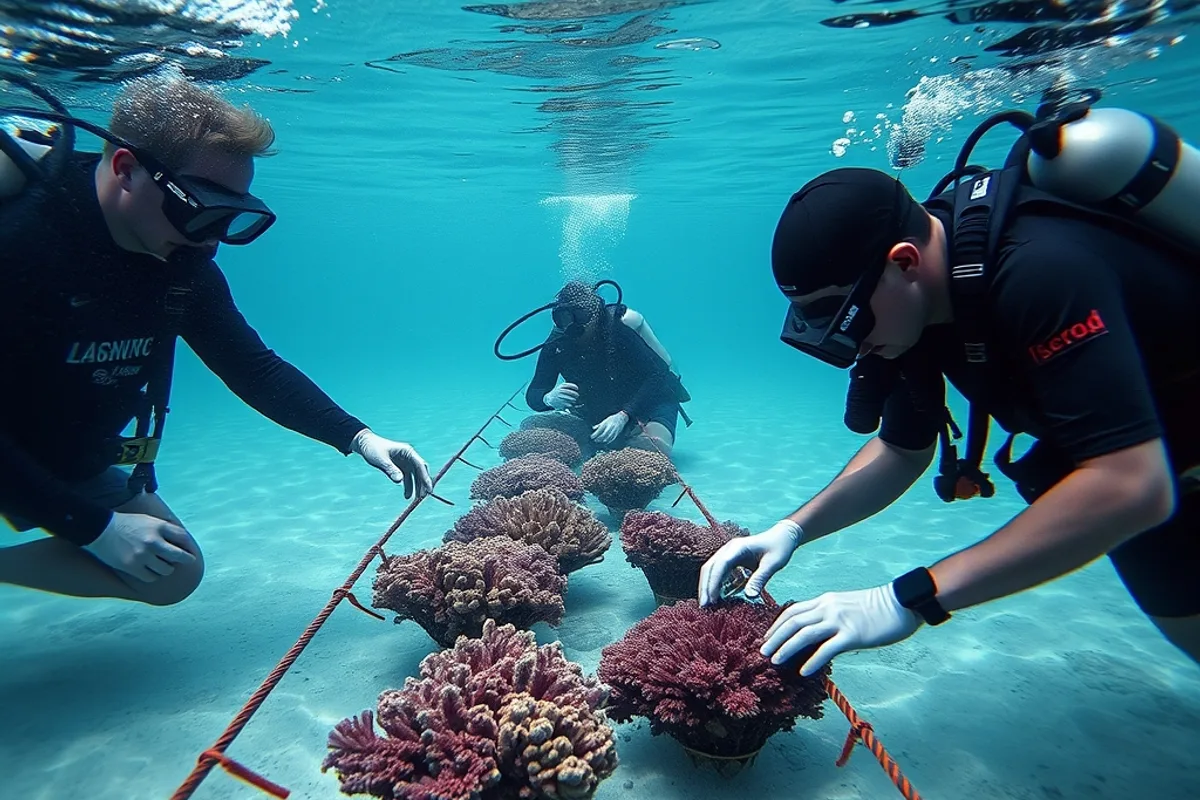
Most programmes use a simple trick. A coral colony is broken into fragments, each a few centimetres long. Those fragments are mounted on plugs or lines and grown in sheltered water for six to twelve months. Because the coral is cloning itself, the fragments grow quickly, and a single donor colony can produce dozens of new ones.
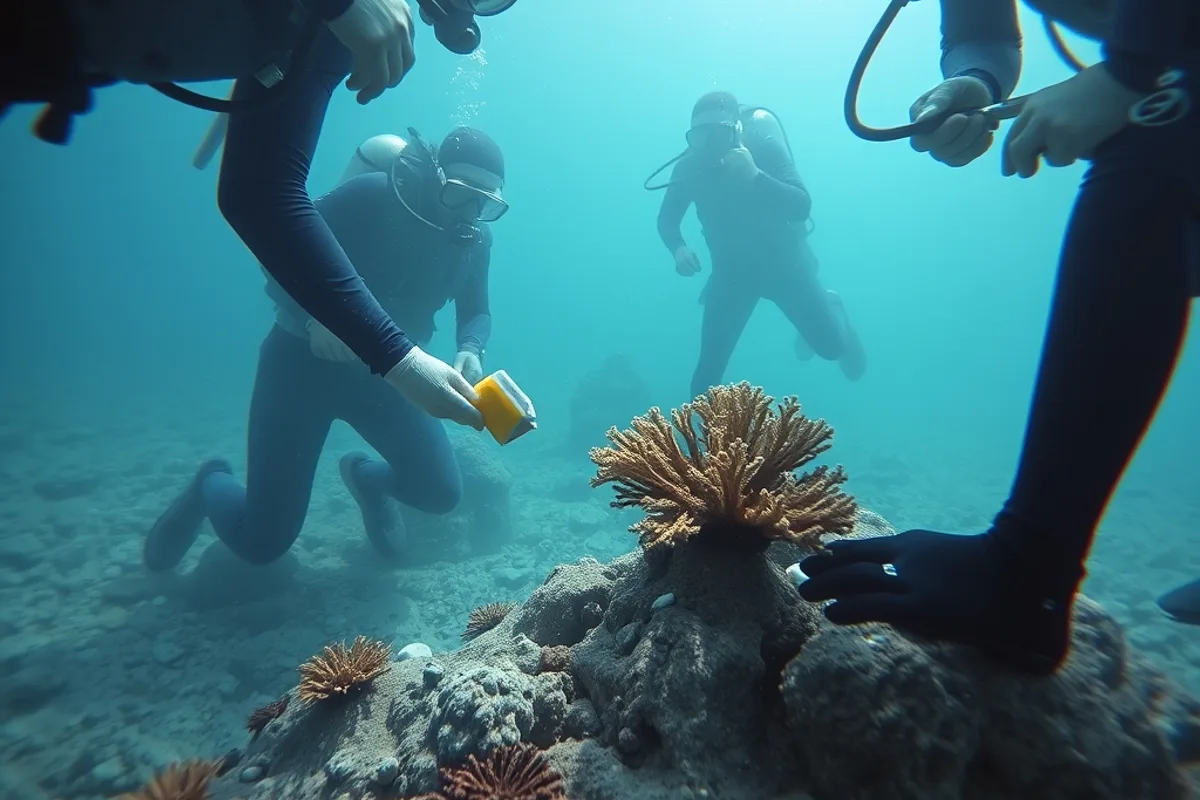
When the fragments are large enough, divers attach them to bare rock or to a reef structure with epoxy or cable ties. In the best cases, survival after the first year is high, and the new colonies begin to provide the three-dimensional structure that fish and invertebrates need.
The cost per colony problem
Restoration is labour-intensive in a way that does not photograph well. Divers must collect fragments, clean the nursery, monitor disease, transport the corals and attach them one by one. A single team might plant a few thousand colonies in a season. A reef system can span hundreds of kilometres.
The result is a cost per colony that falls slowly. Automation helps at the nursery stage, and some groups now use land-based tanks to shorten grow-out times. But the planting step remains manual, and the follow-up monitoring, which is where most programmes quietly fail, is expensive and easy to skip.
Funders increasingly ask for cost per hectare rather than cost per coral. That change is healthy. It forces projects to count boats, staff, permits and three years of monitoring, not just the price of a plug and a tube of epoxy.
Survival is not the same as recovery
A planted colony that survives is not automatically a restored reef. Reefs need density, species mix and structural complexity. A sparse grid of the same fast-growing branching coral can look impressive in a report and still fail to support the fish community that a healthy reef carries.
Many programmes now plant a mix of species, including slower-growing massive corals that provide long-term structure. They also plant in clusters rather than evenly spaced rows, because clustering improves fertilisation and creates habitat more quickly. The trade-off is that clustered planting is harder to monitor and easier for a single bleaching event to erase.
Restoration can buy a reef time. It cannot buy it a cooler ocean, and time is the one thing a warming sea is not offering.
Heat is the variable nobody can plant around
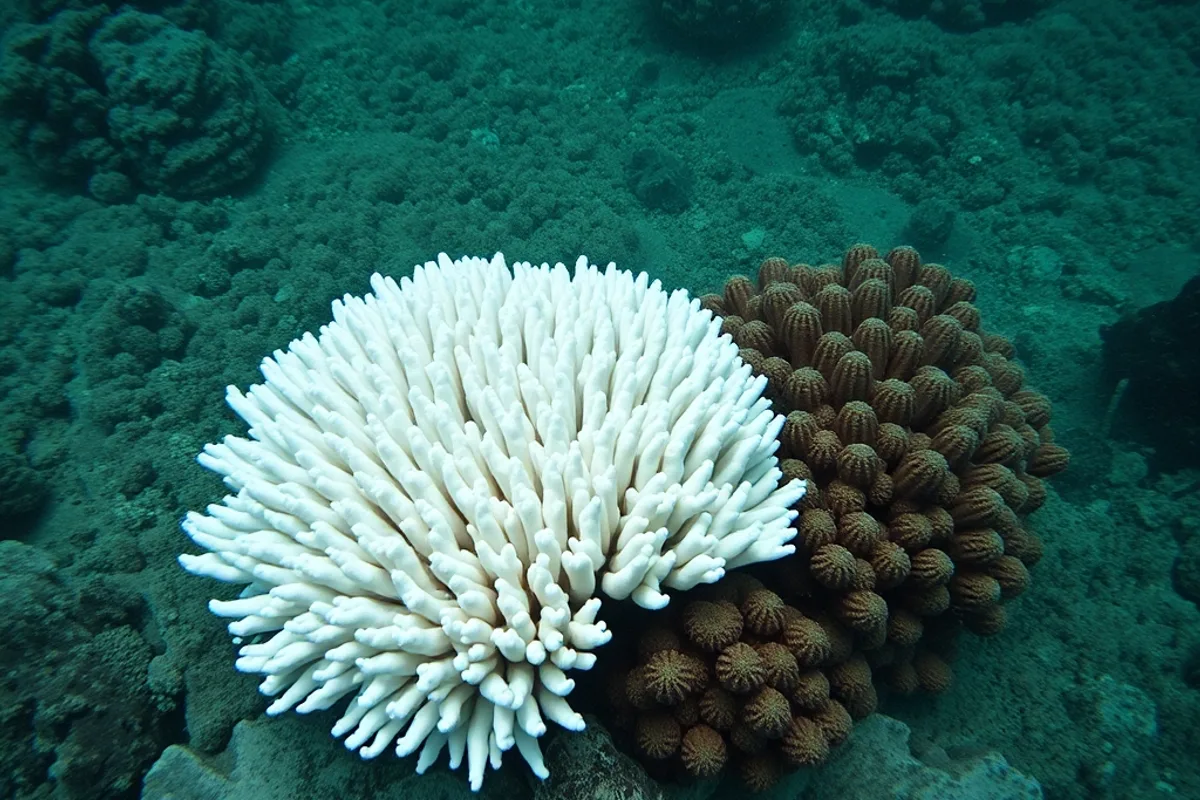
Marine heatwaves have already caused mass bleaching on reefs that were considered healthy a decade ago. A nursery can select for heat tolerance by growing fragments that survived previous events, and this is one of the most promising lines of work. But tolerance is relative. Coral that survives a mild anomaly may still die in a severe one.
Selective breeding also narrows genetic diversity if programmes rely on a small number of donor colonies. Researchers are trying to balance the two goals by crossing resilient lines and by preserving a wider genetic library in nurseries, but the field is young and the results are not yet predictable.
What restoration can and cannot do
Restoration is most useful where the local stress is manageable: a reef damaged by a boat anchor, a storm or a coastal construction project, in water that is not already too warm. In those places, a well-run programme can accelerate recovery by years.
It is least useful as a substitute for cutting emissions or cleaning up runoff. Planting corals onto a reef that is still receiving sewage or sediment is an expensive way to watch them die. Practitioners are blunt about this, even when funders prefer a hopeful photograph.
Key facts
- Most programmes grow fragments for six to twelve months before planting.
- Planting remains manual, which keeps cost per colony stubbornly high.
- Density, species mix and structure matter as much as survival.
- Heat-tolerant selection helps but narrows genetic diversity if overused.
- Restoration works best where local stress has already been reduced.
What to ask before funding a project
Start with the monitoring plan. Ask who measures survival at one, three and five years, and whether the data will be published even if the results are poor. Ask how many species are involved and where the donor colonies came from. Ask what happens to the site after the grant ends.
A credible project will answer all three without flinching. A project that only shows a time-lapse of a nursery will not.
The bottom line
Lab-grown coral is a real tool with a real ceiling. It can repair local damage, test heat tolerance and keep a reef alive long enough for other measures to take effect. It cannot outrun ocean warming, and it cannot replace the unglamorous work of cleaner water and lower emissions. Treat it as a scalpel, not a life-support machine.
For another view of how science moves from the lab to the landscape, see our report on storing carbon in ordinary concrete.