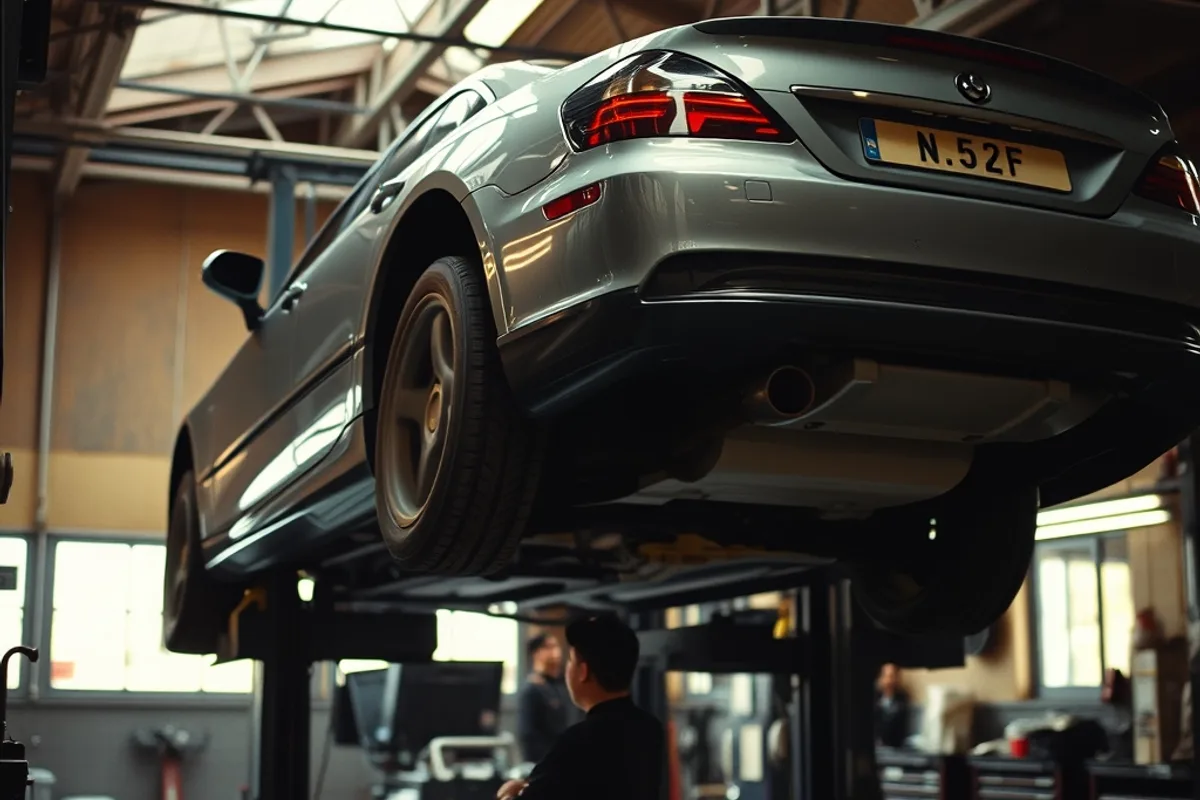
Every few months a repair quote arrives that makes a new car look reasonable. The decision that follows is rarely made with a spreadsheet, which is why so many people trade a reliable car for a loan they did not need.
The arithmetic is not complicated, but it has to include the costs people forget: depreciation, insurance, taxes and the interest on a loan. Once those are on the page, the older car often wins by a wider margin than expected.
Start with depreciation, the biggest cost
A new car loses a large share of its value in the first three years. That loss happens whether the car is driven or parked, and it dwarfs most repair bills. An older car that has already absorbed its steepest depreciation is cheap to own in the one line item that matters most.
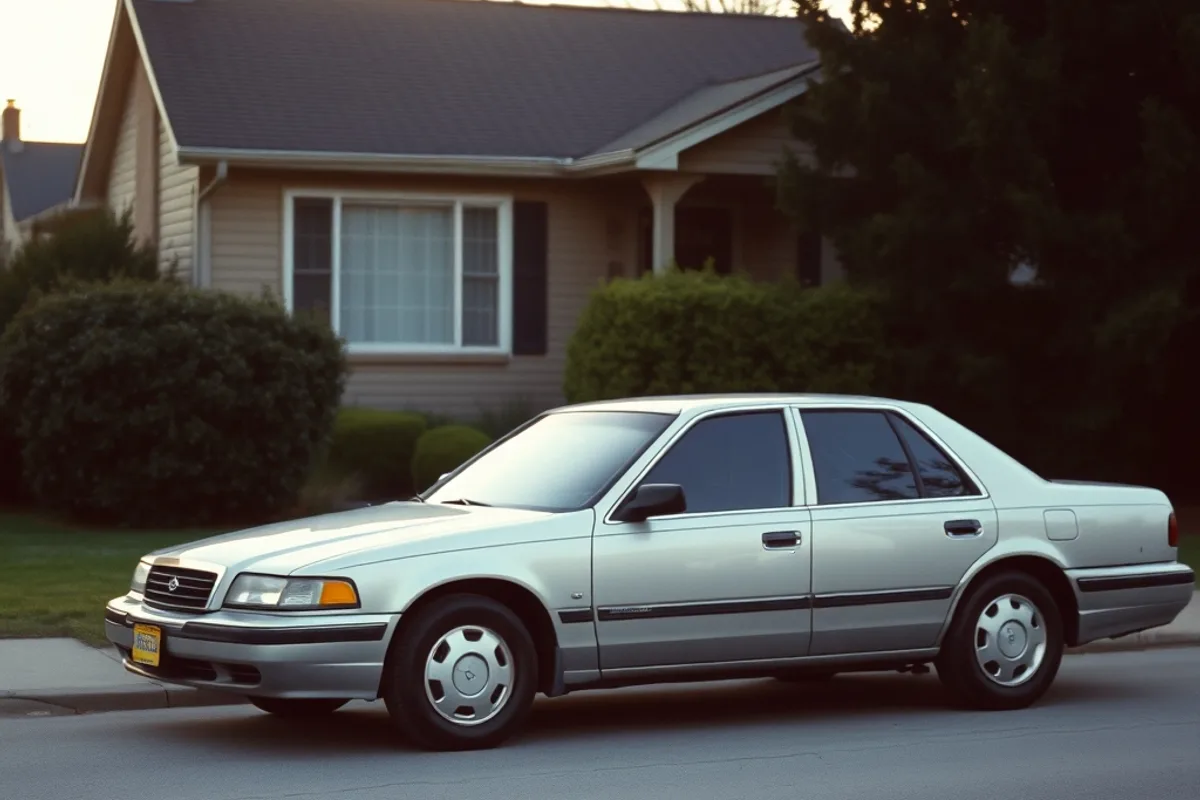
This is why a well-maintained ten-year-old car is often the cheapest vehicle in the household. The depreciation is behind it, the insurance is lower and the registration tax, where it is value-based, has fallen.
The repair threshold that actually matters
Financial advisers often cite a rule of thumb: if annual repairs exceed the cost of a year's car payments, replace the car. The rule is too crude. It ignores the size of the repair, the condition of everything else and the transaction costs of buying a replacement.
A better approach is to compare the cost of keeping the car for another three years against the cost of buying and financing a replacement for the same period. Include the expected repairs, not just the ones you know about, and add a contingency for the unexpected.
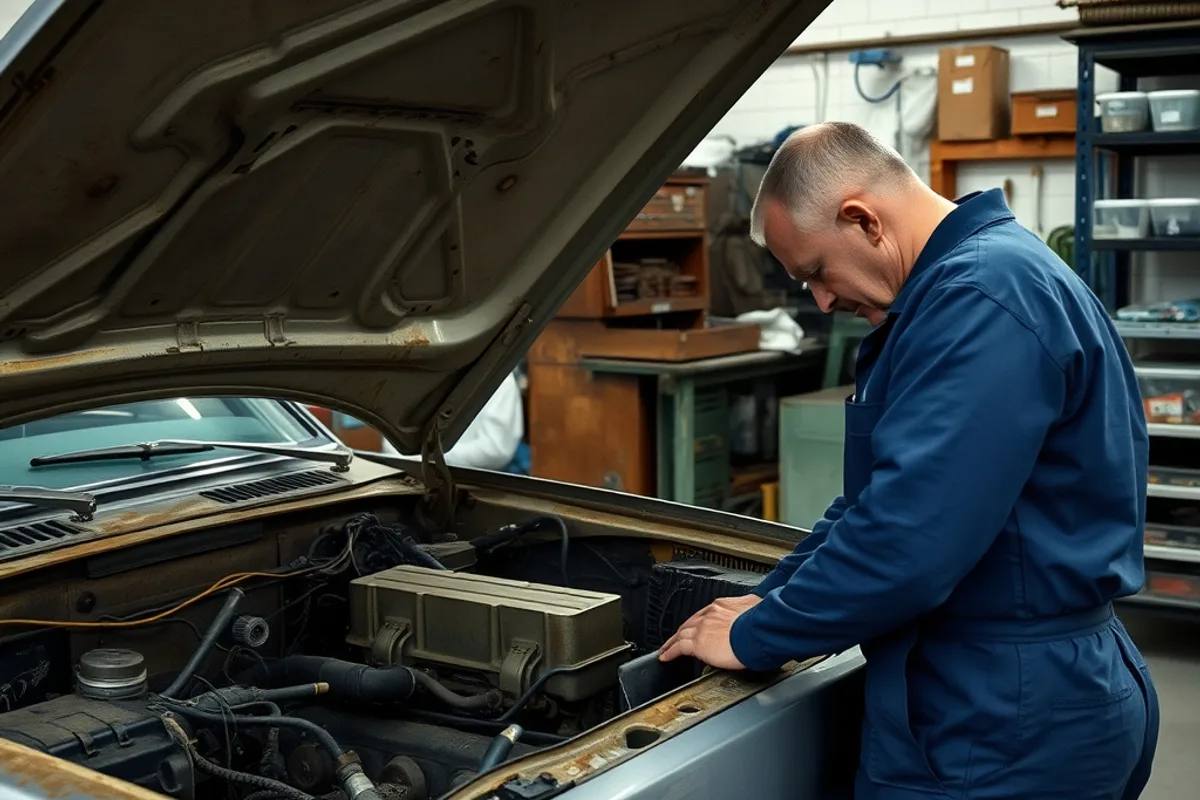
Then look at the nature of the repair. A timing belt, a clutch or a set of suspension bushes on an otherwise sound car is maintenance. A cracked cylinder head on a car with a rusty structure is a signal to stop. Structural corrosion, recurring electrical faults and transmission failure are the three categories where the money tends to disappear.
A repair bill is not a reason to replace a car. It is a reason to inspect the rest of the car before you decide.
Fuel, insurance and the small lines
Older cars are usually less efficient, and the difference can be significant over 20,000 kilometres a year. Insurance may be cheaper because the vehicle is worth less, but comprehensive cover can become poor value on a low-value car; many owners drop to third-party cover and accept the risk.
Maintenance intervals matter too. A modern car may need less frequent servicing, but its parts are often more expensive and its systems harder to diagnose without dealer tools. An older car with a good independent specialist can be cheaper to keep, especially if parts are widely available.
When replacing is the rational choice
Replacement wins when the old car needs several unrelated major repairs at once, when safety systems are outdated, or when the owner needs reliability for work. It also wins when the old car's fuel consumption is far above a realistic replacement and the annual mileage is high.
The mistake is to replace a car because of one frightening quote, then finance a new one over seven years and pay more in interest than the repair would have cost. Run the numbers before visiting a showroom, not after.
Key facts
- Depreciation is usually the largest cost of new-car ownership.
- Compare three-year costs, not a single repair quote.
- Structural rust and recurring electrical faults are stop signals.
- High annual mileage makes fuel economy more important.
- Financing costs belong in the comparison.
A simple test
Add up the old car's repairs, servicing, fuel and insurance for a year. Add the replacement's depreciation, finance, insurance, fuel and servicing for the same year. If the difference is small, keep the old car and bank the savings for the next repair. If the old car is unreliable in a way that costs you work, replace it and accept the premium as a business expense.
The bottom line
Older cars are usually cheaper, but only when they are maintained and the repairs are planned rather than reactive. Keep a repair fund, find a mechanic you trust and review the decision once a year instead of once a crisis.
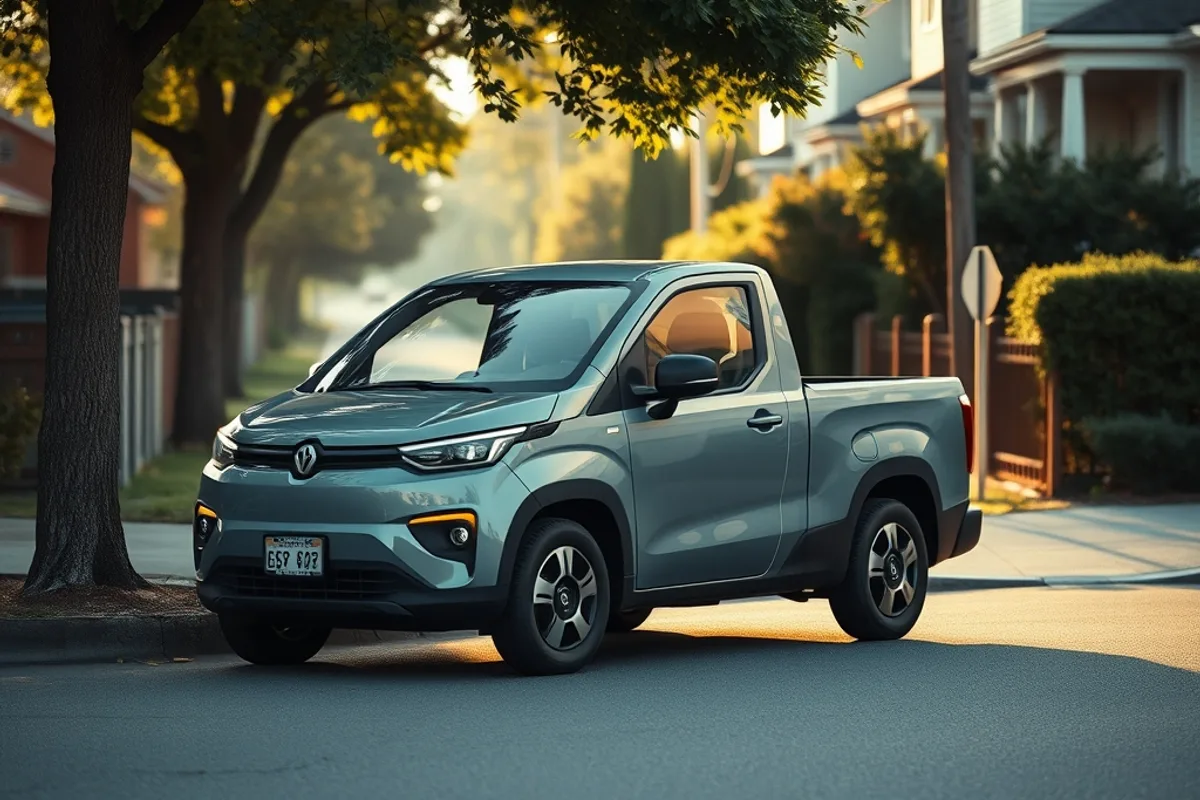
If you are weighing a switch to electric, read our guide to compact electric trucks and what they can realistically do.