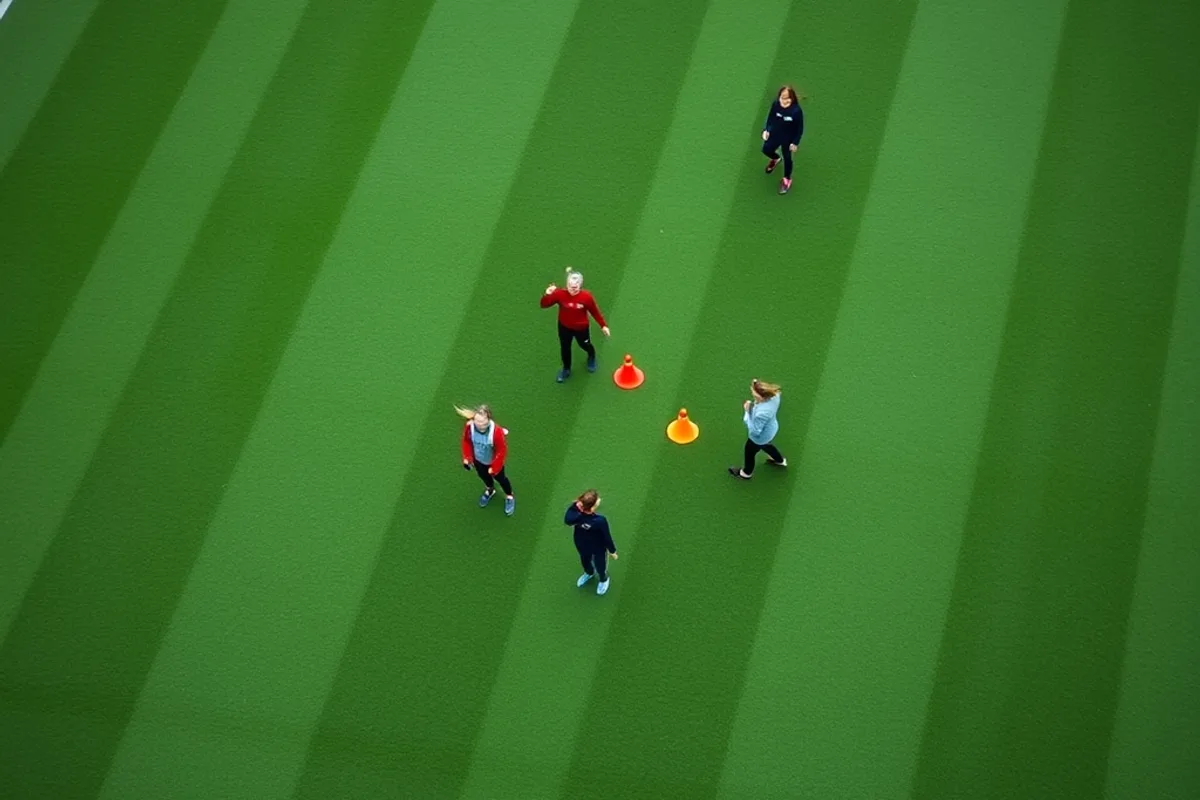
The spreadsheet looks ordinary: passes, distances, sprints, recoveries. What makes it valuable is who it describes. For most of the sport's history, the data used to coach women was collected from men.
That is changing quickly. Clubs, leagues and broadcasters are now tracking women's matches in detail, and the resulting data sets are becoming a competitive asset. The fight over who can see them is one of the quieter conflicts in the game.
Why borrowed models fail
A model trained on men's football assumes a certain distribution of sprint speeds, body dimensions and match rhythms. Women's football has different averages, and those differences matter at the edges where coaching decisions are made. A threshold for "high-intensity running" that flags half a men's squad may flag a different share of a women's squad.
Injury risk models are especially sensitive. Studies of anterior cruciate ligament injuries suggest different risk profiles between men and women, shaped by anatomy, hormones and training load. A model built on men's data can misprice that risk, which is why several clubs now collect their own baseline data.

What the new data shows
The most useful findings are unglamorous. Women's matches often feature more substitutions and different recovery patterns, which changes how a coach plans the week. Set-piece delivery angles differ because of average height and reach. Pressing triggers that work in one league may fail in another because the tempo is different.
Analysts are careful not to overclaim. The sample sizes are still small compared with the men's game, and the sport is evolving fast. A model that fits this season may be obsolete in two. The clubs that benefit are the ones that keep collecting and updating, not the ones that buy a single report.
The edge is not a secret formula. It is a longer memory than the club next door.
Who owns the numbers
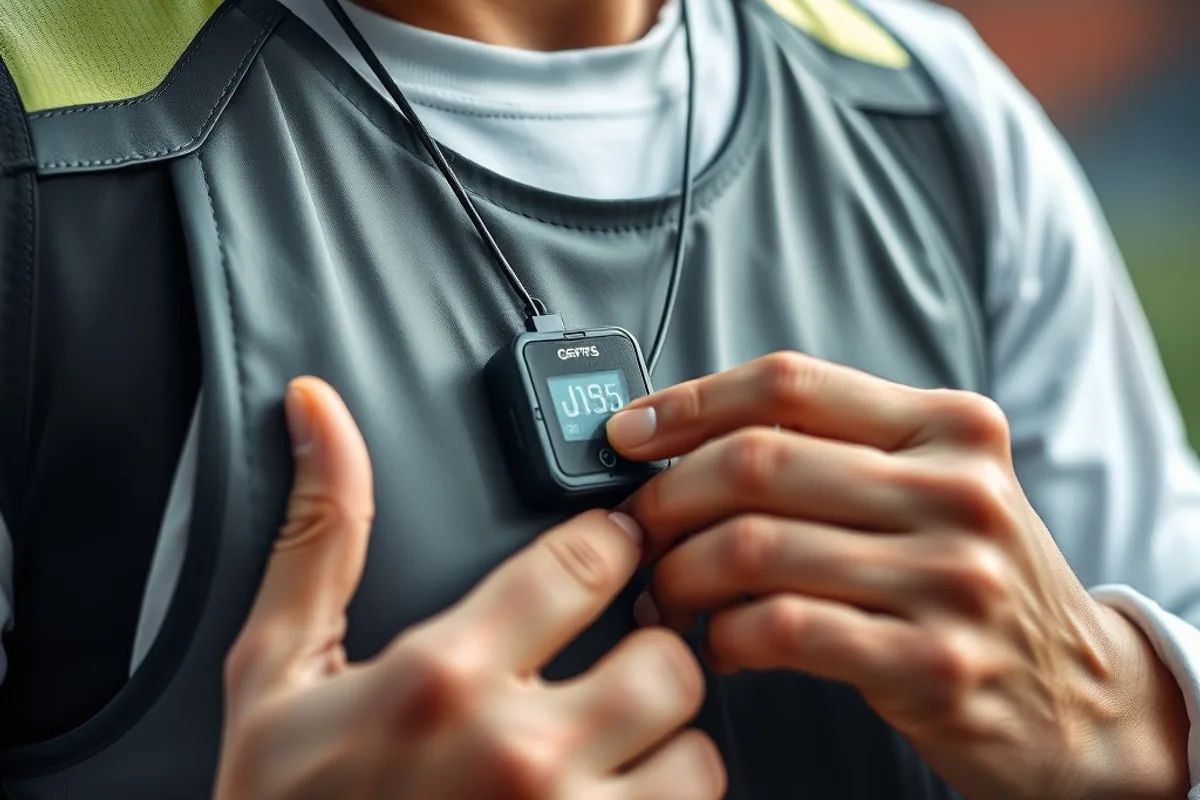
Tracking data is typically collected by a league or a commercial provider, then licensed to clubs and broadcasters. The terms vary. Some leagues give clubs broad access; others sell aggregated data and keep the raw feed. Players themselves usually have little say, even though the data describes their bodies and work.
That is becoming a labour issue. Player unions are asking for transparency about what is collected, who can see it and how long it is kept. Medical data is particularly sensitive, and a leak could affect a player's contract or insurance.

The recruitment advantage
Data has changed scouting in the women's game because the talent pool is more dispersed. A club that can compare a midfielder in a smaller league with one in a top division has an advantage, provided the data is comparable. Standardised metrics across leagues are still patchy.
Some clubs are building internal databases that combine match data, medical history and training loads. Others rely on video and scouts, skeptical that the numbers are reliable enough at this stage. Both approaches can work; the risk is treating a thin data set as a complete picture.
The broadcast problem
More coverage means more data, but it also means more commercial pressure. Broadcasters want narratives, and narratives prefer simple statistics. A player's value can be reduced to goals and assists, which misses the work that creates space or covers a teammate.
Analysts are pushing for context: minutes played, role, opposition strength. The best public dashboards now show per-90 numbers rather than raw totals. That is a small change with a large effect on how players are judged.
Key facts
- Women's football has historically borrowed models from men's data.
- Injury-risk models are particularly sensitive to those differences.
- Sample sizes remain small but are growing quickly.
- Player unions want transparency and control over personal data.
- Standardised cross-league metrics are still missing.
What comes next
The likely future is a mix of league-wide standards and club-specific proprietary models. The leagues that publish transparent, comparable data will make the whole sport easier to analyse. The clubs that hoard theirs will keep a short-term edge and slow the broader development of the game.
The bottom line
Data is finally being built for women's football rather than borrowed from the men's game. That is progress, but it raises questions about ownership, privacy and access. The clubs that treat data as a shared resource may lose a little advantage and gain a better sport.
For another story about measurement changing a sport, read why marathon courses keep getting faster.