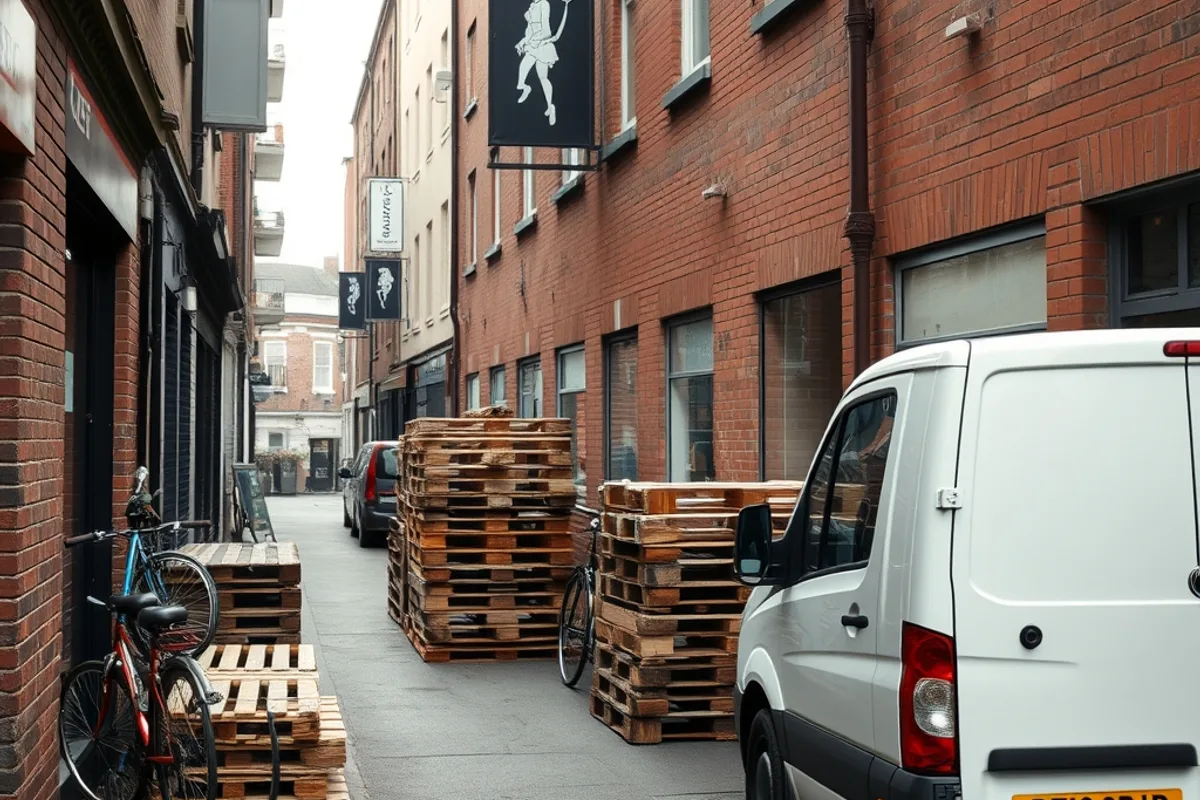
A parking space is never free. Someone paid for the asphalt, the land and the enforcement. The question is whether that cost sits in a meter, a rent cheque or a public budget.
Cities removing street parking usually make a familiar argument: less traffic, cleaner air, more space for people. The argument is often right. The politics is harder, because the benefits are diffuse and the costs land on identifiable people who can organise.
The hidden subsidy
Free street parking is a subsidy to drivers, paid partly by everyone who rents or owns property nearby. A shop with a parking lot pays for that land through rent or mortgage, and passes some of the cost into prices. A city that provides free kerbside space forgoes revenue it could collect and spends money on enforcement instead.
When a space is metered, the cost becomes visible. When it is removed, the space can become a bus lane, a bike lane, a loading bay or a small park. The value is real, but it is shared rather than captured by the person who used to park there.
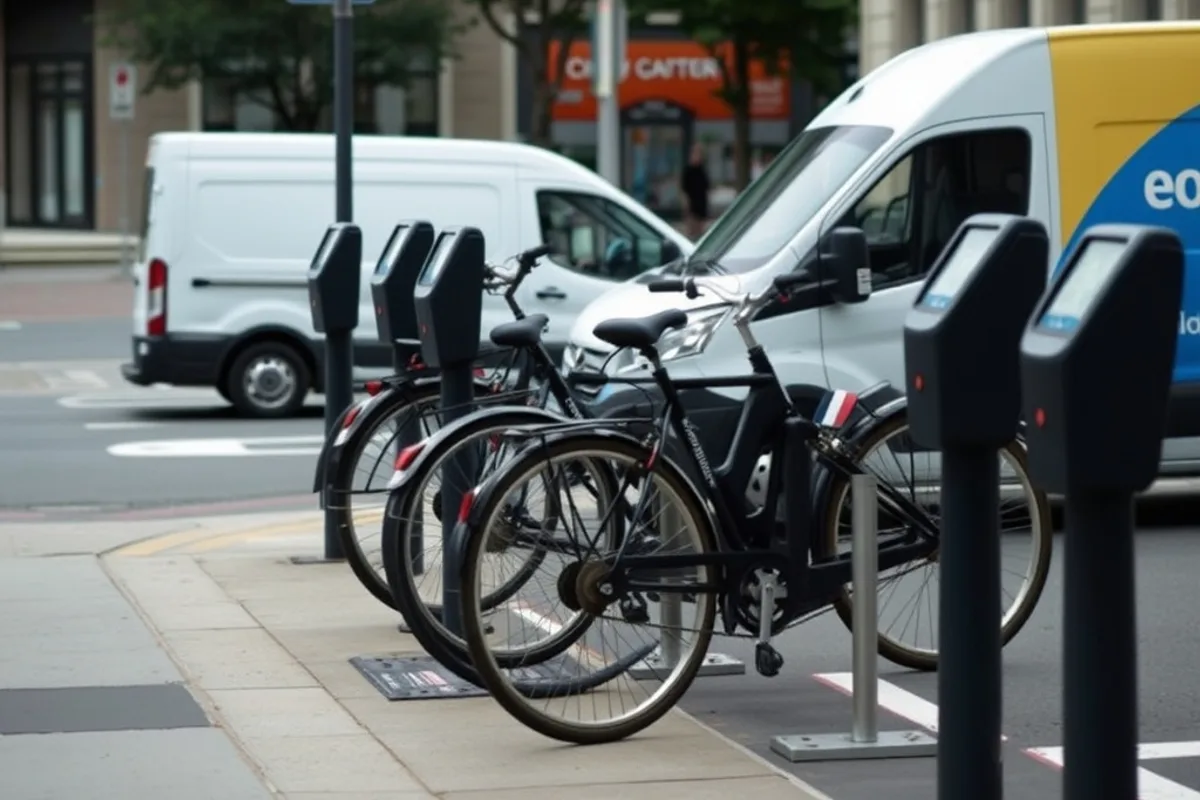
The businesses that depend on the kerb
Retailers often oppose parking removal because they believe customers drive. The evidence is mixed. In dense neighbourhoods, a large share of customers arrive on foot, by bike or by transit, and they often spend more per visit than drivers who park once and leave.
But some businesses genuinely depend on vehicle access: a hardware store, a furniture shop, a restaurant with a takeaway trade. Those need loading bays and short-stay spaces, not a blanket removal. The policy detail matters more than the headline.
Small businesses also bear the disruption of construction. A street that is dug up for a year loses customers before it gains a bike lane. Compensation or phased work can help, but it rarely covers the full loss.
The fight over parking is rarely about parking. It is about who gets to move through the city cheaply, and who is expected to absorb the change.
Workers and the commute
The people most affected are often not the loudest. A cleaner, a nurse or a retail worker on an early shift may drive because public transport does not run when they need it. Removing parking without improving alternatives can make their job unaffordable or push them into longer, more expensive commutes.
Cities that handle this well pair parking reform with better night buses, secure cycle parking, staff permits and car-share bays. They also phase the change so that alternatives exist before the spaces disappear.

The revenue question
Metered parking can raise money, and that money can be earmarked for transport improvements. This is one of the few local taxes that drivers can see and understand. But the revenue is volatile, and using it to plug a general budget gap undermines public support.
Residential permit schemes are another lever. They protect local streets from commuter parking while charging a modest fee. The design matters: a permit that costs more than a daily bus fare simply shifts the problem to people who cannot afford it.
What a fair policy looks like
A fair reform starts with data. Count who uses the spaces, when, and for how long. Ask workers and businesses what they need, not just residents who attend the evening meeting. Then phase the change, measure the effect on trade and travel, and adjust.
It also needs a visible reinvestment. If the city removes 200 spaces and spends the money on a bus lane that actually runs, the politics improves. If the spaces vanish and nothing replaces them, the next election becomes a referendum on parking.
Key facts
- Free parking is a subsidy paid through rent, taxes and prices.
- Retail effects vary; dense areas rely more on foot traffic.
- Shift workers are the most exposed to parking removal without alternatives.
- Revenue should be visibly reinvested in transport.
- Phasing and consultation decide whether reform survives politically.
The bottom line
Cities should stop pretending parking is free and start explaining who pays. Removing space can make streets better, but only if the savings are reinvested and the people with the fewest choices are protected. Otherwise the policy is a transfer from workers to homeowners, dressed up as progress.
For another policy that changes the shape of the working week, read what four-day-week contracts actually say.